Binoculars
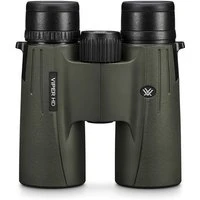
Vortex Viper HD 10x42
10x42 with HD glass for a long sit on a willow edge.

Field Guide
Binoculars, a spotter and a tripod for willow bottoms, timbered creek faces and first-and-last light.
Photo: Tanner Dunn. Credits
Black Friday optics price drops, free by email.
Moose country is not a long elk ridge. You often glass a willow bottom, a timbered creek face or a small meadow, and you do a lot of that work at first and last light. Binoculars on a tripod find the shape. A spotter confirms what you think you saw. A rangefinder matters once you have closed the distance.
For draw dates and once-in-a-lifetime rules, see the Lower 48 moose hunting guide on TagCanyon. If you already have an Alaska tag, start at the Alaska moose page and the moose and caribou pack list.
We may earn from retailer links. Prices checked Nov 10, 2026.
Binoculars
10x42 with HD glass for a long sit on a willow edge.
Binoculars
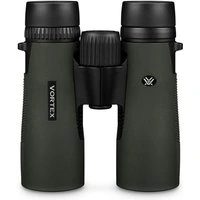
A lighter 10x42 that still holds a moose in timber shadow.
Spotter
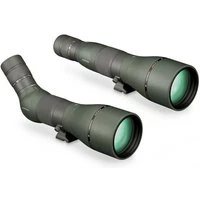
85 mm spotter for judging a bull across a meadow.
Rangefinder
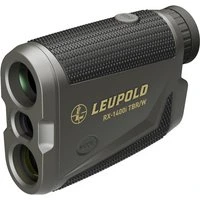
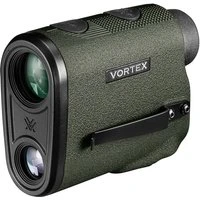
A compact rangefinder for a shot you have already closed on.
Rangefinder
More reach when you are ranging a bull across a wet meadow.
Tripod
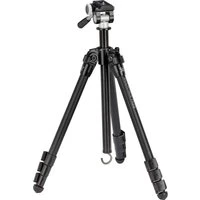
A light tripod for binoculars on a willow-edge sit.
Tripod
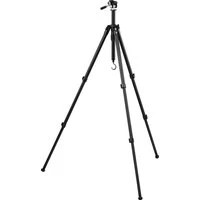
A sturdier kit when the spotter stays up all morning.
Adapter
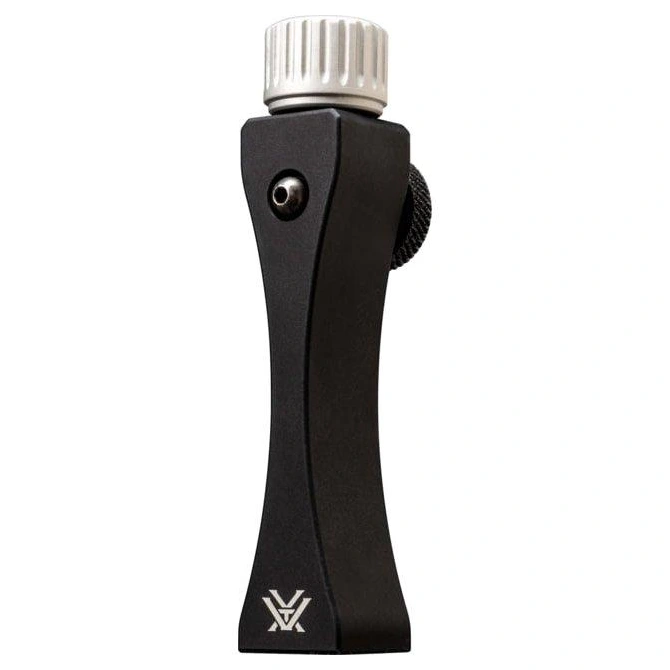
Gets 10x42s on the tripod so your arms last the sit.
See each retailer for current pricing and availability. Also see hunting binoculars, spotting scopes and tripods and rangefinders.

Start on a bench or a slight rise that looks into the willows, not in the willows themselves. Work the edges first: the shadow line, the creek openings and the trails that cut the brush. A moose often shows as a dark body in a hole in the cover, or as antler tips above the tops. Move the glass slowly. If you try to walk the bottom first, you bump the animal you came to find.

Timbered faces need the same patience. Grid the openings, then the shadows under the trees. In tight cover, 10x binoculars on a tripod beat a walk. Save the spotter for a bull you have already found and need to judge, or for a far meadow you cannot approach yet. How you pick a hillside apart is covered in how to glass a hillside.

Moose move in the first and last hour more than they do at midday. At dawn, start glassing before you can see color. The body shows as a shape against frost or water. At dusk, stay until you can no longer pick a hide from a willow. Low light is hard on cheap glass; this is why the binoculars and the tripod matter more than a walk.

After a rain or a cold night, look at openings and water. A bull standing in a pond or stepping into a meadow is the easy find. The harder finds stay in the brush. Give those edges a second and third pass before you leave a sit.


Photographs by Tanner Dunn, used with permission. Each photo keeps his watermark and is credited below the frame.