Binoculars
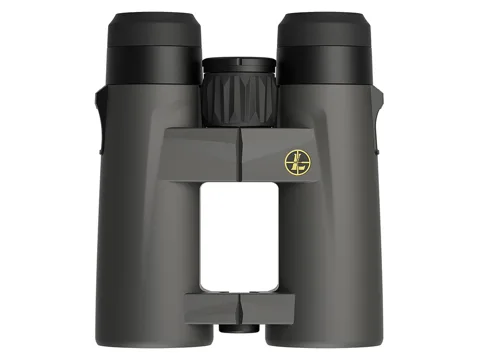
Leupold BX-4 Pro Guide HD Gen 2 10x42
Leupold HD glass in a 10x42 that handles all-day glassing on a tripod without wearing out your eyes.

Photo: National Park Service (KatmaiNPS) (Public domain)
Field Guide
Black Friday optics price drops, free by email.

Spring and fall bear hunts are often spot-and-stalk. You glass green avalanche chutes, berry slopes and open hillsides for a dark shape that is feeding, then use the spotter to judge size and hide before you move.
Bears are easy to misjudge. A spotter helps you look at ears, belly and how the bear moves, and a low-power scope with a wide field of view is a better match for close shots than a long-range scope.
For draw odds, seasons and the rest of the gear, see the brown bear guide, the black bear guide and the bear pack list on TagCanyon.
We may earn from retailer links. Price on Nov 19, 2026.
Binoculars
Leupold HD glass in a 10x42 that handles all-day glassing on a tripod without wearing out your eyes.
Spotting scope
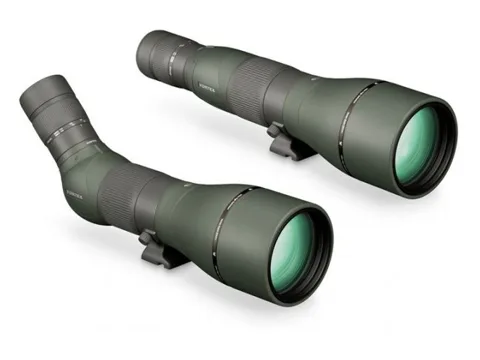
A full-size 85mm angled spotter with HD glass that stays sharp at high power in low light.
Tripod
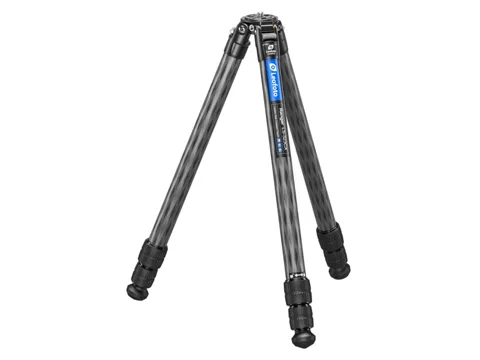
A carbon tripod tall enough to glass sitting or standing, light enough to pack all day.
Rangefinder
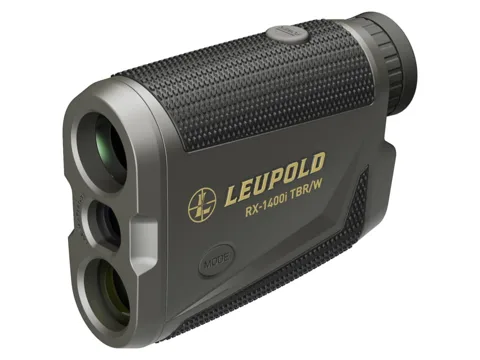
A compact rangefinder with angle compensation that reads deer-size targets at hunting ranges.
Riflescope
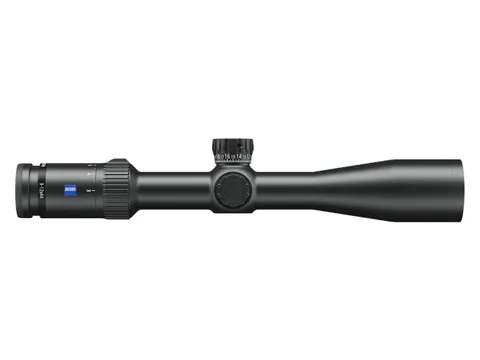
A 3-12x44 Zeiss with a bright 30mm tube and simple capped turrets. A good all-around hunting scope.
The solid kit adds up to about $3,508.00 for all 5 pieces.
For the tag you waited years to draw. These are the brightest, sharpest picks in each slot, with no price cap.
Binoculars
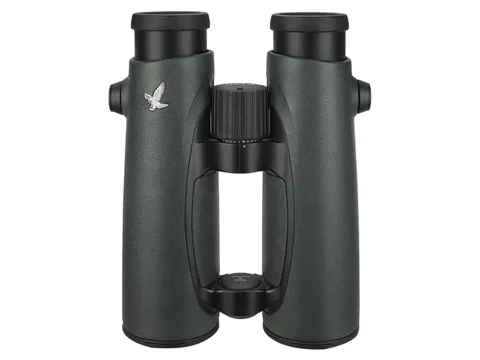
Swarovski EL glass with a wide, bright 8.5x view for spotting dark animals on green slopes.
Spotting scope
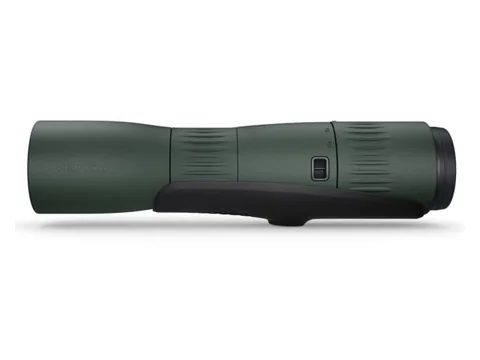
A compact, light Swarovski spotter built for packing into the mountains.
Rangefinder
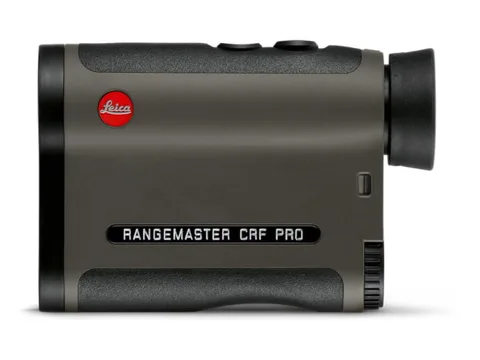
A small Leica rangefinder with excellent 7x24 glass and fast, steady readings.
Riflescope
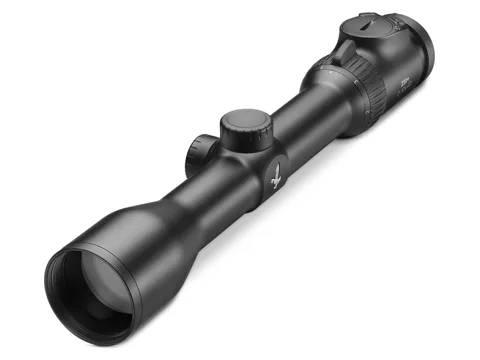
A light, low-power Swarovski with an illuminated reticle for close shots in thick cover.
The best-available kit adds up to about $8,135.00.
In spring, bears follow the first green grass. Glass south-facing slopes, avalanche chutes and creek bottoms in the morning and evening. In fall, look in berry patches and along salmon streams. A feeding bear stays in one area, so once you find one you usually have time to look him over.
Look at the ears first. Small-looking ears that sit low on the sides of the head usually mean a bigger bear. A belly that nearly drags and a slow, rolling walk point the same way. In spring, check the hide for rubbed patches before you commit.
Smaller hands or narrow-set eyes? The women's glass fit guide covers eye spacing, weight and compact picks.