Binoculars
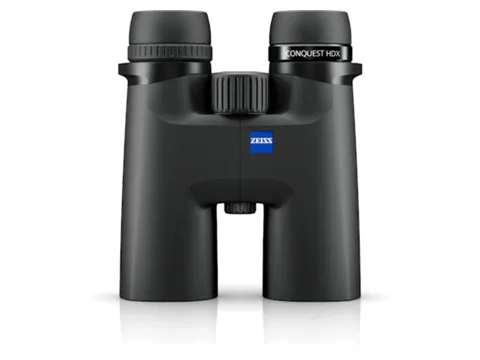
Zeiss Conquest HDX 10x42
Zeiss glass at a mid-range price. Sharp edge to edge, bright, and easy to hold steady.

Photo: U.S. Fish and Wildlife Service (USFWS Mountain Prairie) (Public domain)
Field Guide
Black Friday optics price drops, free by email.

Mule deer hunting is a glassing game. Bucks bed in the shade of a rock or a lone cedar and hold still for hours. You find them by sitting behind good binoculars on a tripod and working the basin a little at a time, then using the spotter to judge the buck before you plan the stalk.
Open country means long ranges, so a rangefinder that reads past 1,000 yards on a deer and a scope with a usable turret matter here more than in the timber.
For draw odds, seasons and the rest of the gear, see the deer draw guide and the deer pack list on TagCanyon.
We may earn from retailer links. Price on Nov 19, 2026.
Binoculars
Zeiss glass at a mid-range price. Sharp edge to edge, bright, and easy to hold steady.
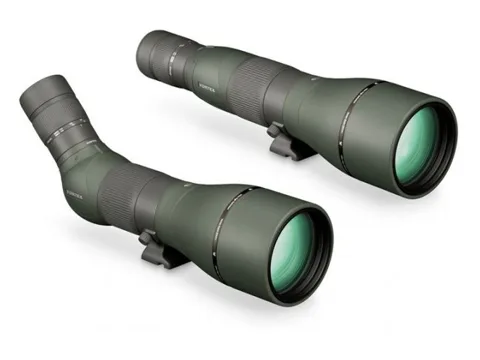
Spotting scope
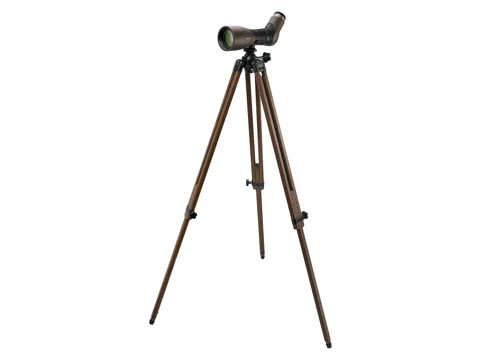
A full-size 85mm angled spotter with HD glass that stays sharp at high power in low light.
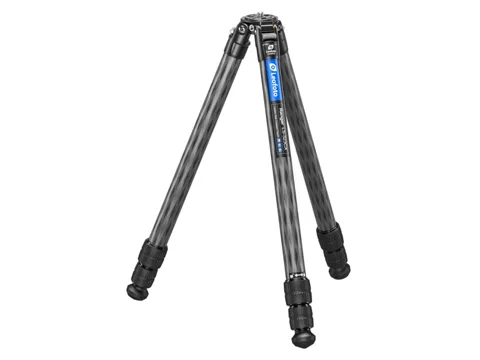
Tripod
A carbon tripod tall enough to glass sitting or standing, light enough to pack all day.
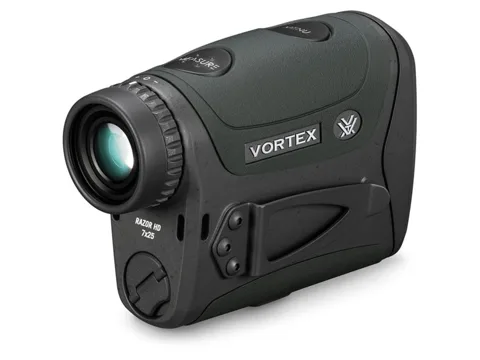
Rangefinder
Reads out to 4,000 yards on reflective targets, with angle compensation and clear 7x glass. 9.9 oz.
Riflescope
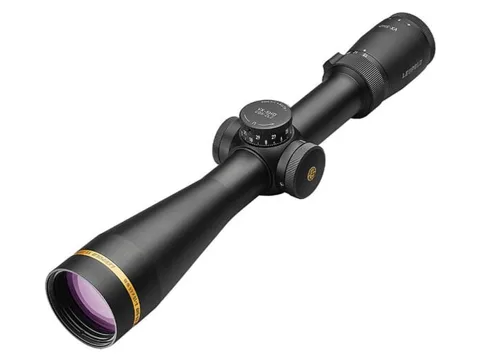
5x zoom range, a zero-lock turret and Leupold light gathering for long western shots.
The solid kit adds up to about $4,487.00 for all 5 pieces.
For the tag you waited years to draw. These are the brightest, sharpest picks in each slot, with no price cap.
Binoculars
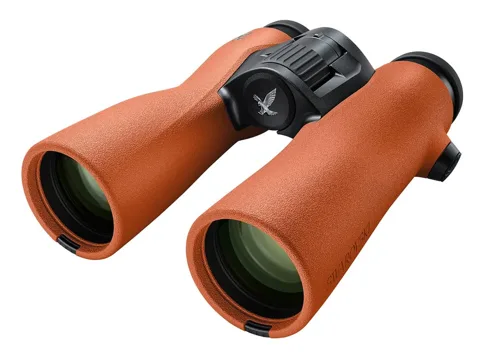
Extra reach for judging bucks across a basin, in the same wide-view NL Pure body.
Spotting scope
The Swarovski ATX 85mm with a matching tripod in one kit. Among the best spotters made.
Rangefinder
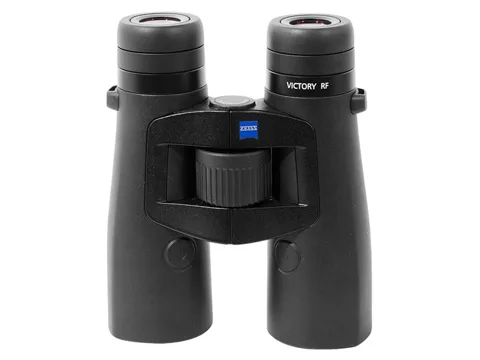
Zeiss Victory binoculars with a built-in rangefinder and ballistic readout.
Riflescope
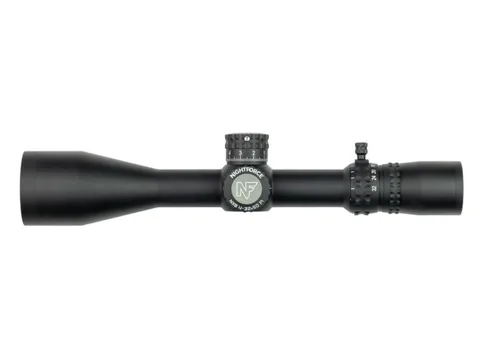
A compact first focal plane Nightforce with an 8x zoom range. Built to hold zero through rough country.
The best-available kit adds up to about $15,467.00.
Set up high with the sun at your back. Put the binoculars on a tripod and work the basin in small overlapping squares, starting near and moving out. Look for parts of a deer, not a whole deer: an ear, a leg, the white of a rump or a gray body against brown grass. Give each pass a slow second look before you move on.
Once you find a buck, move to the spotter. Watch him stand and feed if you can, and plan the stalk from what you see: wind, cover and a landmark you can recognize when you get close. A rangefinder reading on that landmark now saves guessing later.
Smaller hands or narrow-set eyes? The women's glass fit guide covers eye spacing, weight and compact picks.